Preserve the Health of Your Landscape with Tree Maintenance

As a homeowner or property manager, you likely take great pride in the appearance and condition of your outdoor spaces. And at the heart of any well-manicured landscape are the trees – stately sentinels that not only enhance the aesthetic appeal but also provide valuable environmental benefits. However, maintaining the health and structural integrity of these arboreal assets requires specialized care and attention. That’s where professional tree maintenance comes into play.

But what exactly does tree maintenance entail, and why is it so crucial? In this comprehensive guide, we’ll explore the ins and outs of tree maintenance, highlighting the key benefits, the potential risks of neglect, and why hiring a qualified arborist is the best way to keep your landscape’s trees thriving.

What is Tree Maintenance?

Tree maintenance refers to the ongoing care and upkeep of trees on a property. Performed by certified arborists and tree care professionals, this multifaceted process involves a variety of tasks designed to promote the overall health, safety, and longevity of trees.

Some of the core components of a comprehensive tree maintenance program include:

• Pruning and trimming to remove dead, damaged, or diseased branches

• Inspections to identify potential issues or hazards

• Fertilization and soil amendments to support optimal growth

• Pest and disease management

• Tree cabling and bracing for structural support

• Removal of hazardous or dying trees

• Planting new trees to replace those that have been removed

The specific services required will depend on the age, species, and condition of the trees, as well as the unique characteristics of the landscape. But the overarching goal of tree maintenance is to ensure the trees on a property remain healthy, structurally sound, and able to thrive for years to come.

How Tree Maintenance Works

When you partner with a professional tree care company for maintenance services, the process typically begins with a comprehensive assessment of the existing trees. During this initial evaluation, the arborist will closely inspect the trees, evaluating factors such as:

• Overall health and vigor

• Structural integrity and potential hazards

• Signs of pests or disease

• Environmental stressors and growth conditions

Based on this assessment, the arborist will develop a customized maintenance plan that outlines the specific tasks required to address any issues and promote the long-term wellbeing of the trees. This plan may include a combination of the services mentioned earlier, scheduled at appropriate intervals throughout the year.

Once the maintenance plan is in place, the tree care crew will visit the property on a regular basis to perform the necessary work. Depending on the size and needs of the landscape, this could mean monthly, quarterly, or annual visits. During each session, the team will methodically work through the maintenance checklist, carefully monitoring the trees and making any necessary adjustments to the plan.

Importantly, tree maintenance is not a one-time event – it’s an ongoing process that requires vigilance and expertise. As the trees, environment, and property conditions evolve over time, the maintenance plan will be re evaluated and refined to ensure optimal results.

Benefits of Professional Tree Maintenance

Investing in professional tree maintenance offers a wealth of benefits for property owners and managers. Here are some of the key advantages:

1. Improved Tree Health and Longevity

By addressing issues like pests, disease, structural defects, and environmental stressors, professional tree maintenance helps ensure the long-term health and vitality of your trees. This can dramatically extend the lifespan of your arboreal assets, preventing premature decline or mortality.

2. Enhanced Aesthetic Appeal

Properly maintained trees not only look healthier, but they also contribute significantly to the overall visual appeal of a landscape. Skilled pruning, trimming, and care can enhance a tree’s natural form and beauty, elevating the curb appeal of your property

3. Increased Property Value

Well-maintained, thriving trees are recognized as a valuable asset that can increase a property’s market value. Studies have shown that mature, healthy trees can boost a home’s value by 10-15% or more.

4. Improved Safety and Risk Mitigation

Hazardous trees pose a serious threat to people and property. Professional tree maintenance helps identify and address structural defects, dead or dying branches, and other potential hazards before they become a problem. This reduces liability and keeps your outdoor spaces safe.

5. Environmental Benefits

Trees provide a wealth of environmental benefits, from improving air quality and reducing erosion to sequestering carbon and providing valuable wildlife habitat. Maintaining the health of your trees ensures these vital ecosystem services continue uninterrupted.

6. Customized Expertise and Support

When you work with a qualified tree care company, you gain access to certified arborists and trained professionals who understand the unique needs of the trees on your property. They can provide tailored recommendations, seasonal adjustments, and ongoing guidance to keep your trees thriving.

Why Hire Professionals for Tree Maintenance?

While it may be tempting to tackle tree maintenance on your own, the risks and potential consequences of DIY tree care make a compelling case for hiring qualified professionals. Here’s why:

Safety Concerns

Pruning, trimming, and removing trees can be inherently hazardous work, especially when dealing with large, mature specimens. Trained arborists have the specialized equipment, safety training, and expertise to perform these tasks safely, minimizing the risks of injury or property damage.

Technical Expertise

Proper tree care requires in-depth knowledge of arboriculture, including factors like tree biology, species-specific needs, and disease and pest management. Certified arborists possess this specialized expertise, allowing them to accurately diagnose issues and implement the most effective treatments.

Liability Mitigation

If a tree on your property causes damage or injury, you could be held legally liable. Professional tree maintenance helps reduce this liability by identifying and addressing potential hazards before they become problematic.

Access to Advanced Equipment

Tree care companies have access to specialized equipment, such as bucket trucks, chainsaws, and crane-assisted removal systems, that allow them to perform maintenance tasks safely and efficiently. Attempting these jobs with basic DIY tools can be risky and lead to suboptimal results.

Comprehensive Reporting and Guidance

Reputable tree care companies will provide detailed reporting on the work performed, as well as expert recommendations for ongoing care. This helps property owners make informed decisions about the health and management of their trees.

What Can Go Wrong Without Proper Tree Maintenance?

Neglecting professional tree maintenance can lead to a range of problems, both for the trees themselves and the surrounding property. Some of the potential consequences include:

Structural Instability and Hazardous Trees: Without regular inspections and targeted pruning, trees can develop weaknesses and defects that make them prone to failure during storms or high winds, posing a serious threat to people and property.

Pest Infestations and Disease: Untreated pest problems and undiagnosed diseases can quickly spread, compromising the health and vitality of the affected trees, and potentially spreading to neighbouring trees and plants.

Impaired Growth and Aesthetic Decline: Improper pruning techniques, lack of soil amendments, and other maintenance oversights can lead to stunted growth, diminished foliage, and an overall decline in the tree’s visual appeal.

Increased Risk of Damage and Liability: Failing to address hazardous trees or mitigate environmental stressors can result in property damage, personal injury, and costly legal issues down the line.

Reduced Property Value: The negative impacts of neglected tree maintenance can translate to a lower perceived value of the property, especially if the landscape suffers from a notable decline in tree health and appearance.

Tools and Equipment Used for Professional Tree Maintenance

Properly maintaining trees requires specialized tools and equipment that go beyond basic gardening implements. Some of the key tools utilized by professional tree care companies include:

Chainsaws: High-powered chainsaws are essential for safely and efficiently pruning and removing large branches and entire trees.

Pole Saws: These extended-reach saws allow arborists to access and prune hard-to-reach branches without the need for ladders or lifts.

Bucket Trucks: Articulated bucket trucks provide a stable, elevated work platform for reaching and performing maintenance on tall trees.

Stump Grinders: Powerful stump grinding equipment is used to remove tree stumps and their root systems, preparing the area for new plantings.

Chipper/Shredders: These machines transform removed branches and debris into mulch, which can then be used to nourish the soil around the remaining trees.

Cabling and Bracing Tools: Specialized hardware and installation tools are used to install cables, braces, and other structural support systems for at-risk trees.

Personal Protective Equipment (PPE): Arborists rely on safety gear like harnesses, helmets, and cut-resistant clothing to mitigate the risks inherent in tree maintenance work.

In addition to these specialized tools, professional tree care companies also employ advanced diagnostic equipment, such as soil analysis kits and tree health assessment tools, to thoroughly evaluate the condition of the trees on a property.

Conclusion

Healthy, well-maintained trees are a cherished asset for any property, contributing to enhanced curb appeal, increased property values, and a wealth of environmental benefits. But preserving the long-term vitality of these arboreal sentinels requires the expertise and specialized equipment that only professional tree maintenance can provide.By partnering with a qualified tree care company, you can ensure your landscape’s trees receive the proactive care and attention they need to thrive. From targeted pruning and pest management to comprehensive risk assessments, professional tree maintenance offers a comprehensive solution for safeguarding the health and beauty of your outdoor spaces. invest in the future of your trees today.

Expert Tree Cutting Matters for Safety & Sustainability

Understanding the Importance of Tree Cutting Services

In the vibrant, urban landscape of Singapore, trees are not merely ornamental features adorning our streets and parks – they are integral components of a healthy, sustainable ecosystem. However, as these natural assets mature and grow, they can sometimes pose risks to the surrounding environment, infrastructure, and public safety. This is where the expertise of professional tree cutting services becomes vital.

Tree cutting, a specialized process that involves the safe and strategic removal or pruning of trees, plays a crucial role in maintaining the delicate balance between urban development and environmental conservation. From mitigating the hazards posed by aging or diseased trees to enhancing the overall aesthetic and functionality of green spaces, the work of professional tree cutters is essential in preserving the beauty and harmony of Singapore’s landscape.

In this comprehensive guide, we’ll delve into the world of tree cutting, exploring the skills, equipment, and best practices required to ensure the safe and sustainable management of trees. Whether you’re a homeowner, a property manager, or a community stakeholder, understanding the importance of hiring professional tree cutting services can empower you to make informed decisions that protect your assets, safeguard your community, and contribute to the long-term vibrancy of Singapore’s urban forestry.

The Fundamentals of Tree Cutting

Tree cutting, at its core, is the process of strategically removing or pruning trees to address a variety of concerns, ranging from public safety to aesthetic enhancement. This specialized task requires a deep understanding of arboriculture, the science and practice of cultivating and managing trees, as well as a keen eye for assessing the specific needs and challenges of each individual tree.

The tree cutting process typically involves the following steps:

1. Inspection and Assessment:

Professional tree cutters will closely examine the tree, evaluating its overall health, structural integrity, and the potential risks it poses to the surrounding environment.

2. Tree Cutting Technique Selection:

Based on the assessment, the tree cutting specialist will determine the appropriate technique, whether it’s a full removal, selective pruning, or a more complex procedure like crown reduction or cabling.

3. Equipment and Safety Precautions:

Tree cutting services utilize specialized equipment, such as chainsaws, bucket trucks, and rigging systems, along with comprehensive safety protocols to ensure the well-being of the workers and the public.

4. Execution and Debris Removal:

The tree cutting process is carried out with precision and care, with the resulting debris and waste materials being properly disposed of or recycled.

5. Stump Grinding and Site Restoration:

In cases where a tree is completely removed, the stump is typically ground down, and the site is restored to its original condition or prepared for replanting.

Throughout this process, professional tree cutters prioritize safety, sustainability, and the preservation of the surrounding landscape, ensuring that the work is carried out in a manner that minimizes the impact on the environment and the community.

Benefits of Hiring Professional Tree Cutting Services

Entrusting your tree cutting needs to a team of skilled, experienced professionals offers a multitude of benefits that can have a significant impact on the safety, aesthetics, and overall well-being of your property and community. Some of the key advantages include:

1. Expertise and Safety:

Professional tree cutting services employ highly trained arborists and technicians who possess the necessary skills, knowledge, and specialized equipment to safely and efficiently carry out tree removal or pruning tasks.

2. Risk Mitigation:

Experienced tree cutters can identify potential hazards, such as diseased or structurally unsound trees, and address them proactively, reducing the risk of property damage, personal injury, or even fatalities.

3. Aesthetic Enhancement:

Proper tree cutting and pruning techniques can enhance the overall visual appeal of your property, complementing the landscape and contributing to the aesthetic harmony of your community.

4. Environmental Sustainability:

Professional tree cutters adhere to best practices in arboriculture, ensuring that the work is carried out in a manner that preserves the health and longevity of the remaining trees and the surrounding ecosystem.

5. Regulatory Compliance:

In Singapore, tree cutting is subject to various regulations and guidelines, which professional service providers are well-versed in and can help you navigate to ensure full compliance.

6. Liability and Insurance Coverage:

Reputable tree cutting services carry comprehensive insurance policies that protect both their workers and your property in the event of any accidents or unforeseen incidents.

7. Efficient and Timely Execution:

With their specialized equipment and well-coordinated teams, professional tree cutters can often complete projects more quickly and efficiently than DIY efforts, minimizing disruptions to your daily routine.

By leveraging the expertise and resources of professional tree cutting services, you can enjoy peace of mind, enhanced property value, and the assurance that your trees are being managed in a safe, sustainable, and environmentally responsible manner.

The Risks of DIY Tree Cutting

While the temptation to tackle tree cutting tasks on your own may be strong, it is generally not recommended, especially for homeowners and property owners in Singapore. Attempting DIY tree cutting can pose a range of serious risks and challenges, including:

1. Safety Hazards:

Tree cutting, especially on larger or more complex trees, can be an inherently dangerous task, with the potential for serious injuries, such as falls, electrocution, or being struck by falling branches or the tree itself.

2. Lack of Expertise:

Proper tree cutting and pruning techniques require specialized knowledge and training in arboriculture, which the average homeowner may not possess. Improper cutting methods can lead to further damage to the tree or the surrounding environment.

3. Regulatory Compliance Issues:

In Singapore, tree cutting is subject to various regulations and guidelines that must be followed to ensure the protection of the urban forest and the safety of the public. DIY efforts may inadvertently violate these rules, leading to fines or other penalties.

4. Potential for Property Damage:

Untrained individuals attempting tree cutting may inadvertently cause damage to structures, vehicles, or other valuable assets on the property, resulting in costly repairs and replacements.

5. Liability Concerns:

In the event of an accident or incident during DIY tree cutting, the property owner may be held liable, exposing them to legal and financial consequences, as well as potential risks to public safety.

6. Inefficient and Time-Consuming:

Without the appropriate tools, equipment, and experience, DIY tree cutting can be a labor-intensive and time-consuming process, often leading to unsatisfactory results.

Given the inherent risks and complexities involved, it is strongly advisable for homeowners and property owners in Singapore to refrain from attempting DIY tree cutting and instead engage the services of qualified, licensed, and insured tree cutting professionals.

Factors to Consider When Hiring Tree Cutting Services

When selecting a tree cutting service provider in Singapore, there are several critical factors to consider to ensure a successful and safe outcome. These include:

1. Licensing and Certification:

Ensure that the tree cutting service provider is licensed, insured, and employs trained arborists or technicians who have the necessary certifications to work on trees in Singapore.

2. Experience and Reputation:

Look for a service provider with a proven track record of successfully completing tree cutting and pruning projects in the local area, with positive reviews and testimonials from past clients.

3. Equipment and Safety Protocols:

Evaluate the service provider’s use of specialized, well-maintained equipment and their adherence to comprehensive safety procedures, such as the use of personal protective equipment (PPE) and traffic management plans.

4. Environmental Considerations:

Prioritize service providers who demonstrate a commitment to sustainable practices, such as responsible waste disposal, stump grinding, and the potential for replanting or habitat preservation.

5. Transparent Pricing and Scope of Work:

Obtain detailed quotes that clearly outline the scope of work, timeline, and any potential additional costs, ensuring transparency and the ability to make informed decisions.

6. Warranty and Guarantees:

Consider service providers who offer warranties or guarantees on their workmanship, providing an extra layer of assurance and protection for your investment.

7. Responsiveness and Customer Service:

Evaluate the provider’s level of responsiveness, their ability to address your concerns, and their overall customer service approach, as these factors can significantly impact the overall experience.

By carefully considering these factors, you can identify a reputable and reliable tree cutting service provider in Singapore that will deliver high-quality, safe, and sustainable results, safeguarding your property, your community, and the local ecosystem.

Conclusion

In the vibrant, urban landscape of Singapore, the role of professional tree cutting services cannot be overstated. As the caretakers of our urban forest, these skilled practitioners play a vital role in maintaining the delicate balance between the built environment and the natural world, ensuring the safety, aesthetics, and long-term sustainability of our shared green spaces.

By understanding the fundamentals of tree cutting, the benefits of hiring professional services, and the inherent risks of DIY attempts, property owners, managers, and community stakeholders in Singapore can make informed decisions that prioritize the well-being of their trees, their assets, and their communities.

When it comes to tree cutting, the expertise and specialized knowledge of licensed, experienced service providers are invaluable. These professionals possess the skills, equipment, and safety protocols necessary to execute complex tree removal or pruning tasks with precision and care, while also adhering to the relevant regulations and environmental best practices.

Embrace the power of professional tree cutting services and partner with reputable providers to safeguard your property, enhance your community’s visual appeal, and contribute to the long-term vitality of Singapore’s urban forestry. By doing so, you’ll not only protect your assets but also play a vital role in preserving the natural beauty and ecological balance that make our city-state such a vibrant and livable place to call home.

How does a swimming pool builder work?

Understanding the Process of Constructing a Swimming Pool

Building a swimming pool is a complex endeavor that involves careful planning, skilled craftsmanship and meeting safety regulations. From backyard oasis to community complex pools, professional pool builders play a critical role in overseeing each step to bring these projects to fruition:

1. Initial Consultation and Design:

The pool building process starts with an initial consultation between a homeowner or project manager and their chosen pool builder, where they assess the site, discuss client vision, budget, preferences and provide expert advice regarding materials, designs and features that could best complement surrounding landscape. During this meeting, builders conduct site assessments, discuss vision budget preferences while also offering design suggestions and materials advice that meet client requirements for customized pools designed specifically to their specifications and environments. This stage sets the groundwork for developing customized pool designs tailored specifically for client’s individual requirements while fitting into surroundings landscape seamlessly – setting in motion the final step toward realizing customized pool designs designed specifically crafted just for them based upon client specific requests and matching the surrounding landscape perfectly!

2. Planning and Permits:

After finalizing their design, pool builders create detailed construction plans and obtain any required permits from local authorities for approval of their project. This step ensures compliance with building codes, zoning regulations, and safety requirements based on location and scope. Permits may also be needed for excavation work, plumbing works, electrical wiring modifications and structural modifications as needed.

3. Excavation and Site Preparation:

Once permits have been secured, excavation and site preparation begin in earnest. Heavy machinery is employed to dig the footprint according to design specifications, taking into account factors like depth, shape and location. Afterward, any obstacles or debris are cleared away to create an ideal setting for installing the pool.

4. Pool Shell Construction:

Next, the shell for your pool will be constructed using the materials chosen – usually concrete, fiberglass, or vinyl. With concrete pools, steel reinforcing bars (rebar) must first be installed for structural support before pouring concrete to form its shell. Fiberglass pools may be preformed and installed as single units while vinyl pools utilize flexible liners that fit directly into an excavated space.

5. Installation of Plumbing and Electrical Systems: Once the pool shell is in place, plumbing and electrical systems are carefully integrated into its structure to support filtration, circulation, heating, lighting functions as well as safety. Pipes, pumps, filters, heaters and electrical wiring must all work seamlessly to provide efficient operation while remaining safe and ensuring efficient safety measures are met.

6. Finishing Touches and Landscaping: With infrastructure complete, focus shifts towards adding finishing touches that enhance aesthetics and functionality of the pool. This may involve applying plaster, tiles or other surface materials to the interior of the pool; installing coping around its perimeter; adding decking features and landscaping materials as needed to add character; as well as including decking features in landscaping plans or hardscaping plans to complete its overall design.

7. Testing, Commissioning and Handover:

Before handing the pool over to its client, extensive testing and commissioning must take place to ensure all systems are in working order and meeting quality standards. Water quality must be balanced properly while equipment must be tested thoroughly to meet standards set for safety features such as fencing or alarms. Once everything has been verified as functioning as desired, pool builders provide complete instructions for maintenance and operation as they officially present their finished pool to an excited client.

Overall, building a swimming pool can be an intricate and time-consuming endeavor that demands meticulous planning, expert craftsmanship and careful attention at each stage. By working with an established pool builder, homeowners can realize their dream of an aquatic retreat in their backyard oasis and begin enjoying years of leisure, recreation and enjoyment from their new aquatic oasis.

This post was written by a professional at Pool Stop Custom Pools. Pool Stop has been building custom swimming pools in DFW area for over 20 year now. We has been consistently voted “Best Pool Company” in Rockwall by Living Magazine and its readers year after year. Our goal is to provide the community with the best design and construction technology available. Our team consists of the best and most educated professionals in the industry, across the board. Pool Stop offers a variety of services: New Pool Design & Pool Construction, Retail Pool Store, Pool Supplies, Water Testing, and Pool Cleaner Repair. Stop by today for a FREE Water analysis. Click here to learn more!

Tree Care – A Deep Dive into Expert Tree Pruning Services

Trees, the majestic guardians of our landscapes, require meticulous care to ensure their health, safety, and longevity. Unchecked growth not only poses hazards but can also compromise the aesthetic appeal of your surroundings. In this comprehensive exploration, we delve into the art and science of tree pruning – a crucial practice performed by professional arborists. Understanding what tree pruning involves, its myriad benefits, the methodology employed by arborists, and crucial considerations when hiring such services will empower you to make informed decisions for the well-being of your trees.

What is Tree Pruning?

At its essence, tree pruning is an intricate process that involves selectively trimming trees to remove specific branches without compromising their overall health. This strategic cutting serves several purposes, including directing growth patterns away from potential hazards, ensuring structural soundness, and optimizing exposure to light and air. The cuts are carefully shaped to prevent moisture infiltration and decay. Consistent and well-planned pruning not only sustains the aesthetic appeal of trees but also prevents unwanted overhang, promoting their overall health.

The Benefits of Tree Pruning

Understanding the benefits of professional tree pruning is essential for appreciating its importance in arboriculture.

Guiding Growth Patterns: By strategically cutting specific branches, arborists can guide the tree’s development away from structures and potential obstructions.

Alleviating Safety Hazards: Removal of decaying or diseased branches prevents them from becoming safety hazards, reducing the risk of falling limbs.

Promoting Healthier Development: Pruning optimizes light penetration and air circulation, fostering healthier growth patterns for the tree.

Enhancing Aesthetic Form: Professional pruning achieves the intended mature outlines, enhancing the overall visual appeal of the tree.

Removing Diseased Sections: Targeted pruning helps halt the spread of diseases within the tree.

Regulating Maturation Rates: Pruning helps control fast and unmanageable expansion, ensuring a more controlled growth rate.

Maximizing Fruiting Yield: In the context of orchards, strategic pruning can maximize the yield of fruits.

In essence, tree pruning is a holistic practice that sustains the desirable traits of trees, benefiting not only the trees themselves but also the environment they inhabit.

How Tree Pruning Services Work

Professional tree pruning services are a systematic and strategic approach to tree care. Certified arborists conduct a thorough evaluation, considering factors such as the health of the vegetation, potential scope interference, risks, and existing growth patterns. The following are common pruning techniques employed:

Crown Thinning: This involves removing inner overcrowded branches to enhance light penetration and structural stability.

Crown Lifting: Lower branches obstructing vision or pathways are trimmed to achieve predetermined clearance targets.

Crown Reduction: The height and spread of the crown are reduced without altering the overall form of the tree.

Vista Pruning: This strategic technique involves recentral opening of views, allowing for a more aesthetically pleasing landscape.

Pruning is typically phased over multiple seasons to allow for gradual adaptation, minimizing shock to the tree. Arborists employ elevated platforms and a variety of tools, including chainsaws and hedge trimmers, to conduct on-site trimming.

Considerations for Hiring Services

Choosing the right tree pruning services involves careful consideration of several factors:

Safety Practices and Insurance Protections: Ensure that the contractor follows rigorous safety practices and holds relevant insurance for potential liabilities.

Compliance with Municipal Tree Protection Policies: Verify that the arborists adhere to local regulations and tree protection policies.

Certified Arboriculture Expertise: Confirm that the staff has certified arboriculture expertise, demonstrating their commitment to professionalism and quality.

Customization for Specific Trees: Seek tree pruning contractors who customize their interventions based on the unique needs of your trees.

Visual Demonstrations: Request visual demonstrations of the outcomes of their trimming practices, ensuring they align with your expectations.

Schedule Minimizing Disruptions: Choose a contractor who can work on a schedule that minimizes disruptions to your daily routine.

Wood Debris Disposal Arrangements: Clarify how the contractor plans to handle the disposal of wood debris resulting from the pruning.

ConclusionWhile allowing trees to grow naturally may seem like the instinctive choice, professional tree pruning emerges as a crucial practice for sustainable and harmonious coexistence. By consulting certified arborists and embracing strategic pruning, property owners can proactively shape tree growth, addressing immediate concerns while nurturing long-term health, form, and coexistence. Strategic trimming not only ensures the immediate well-being of the tree but also contributes to the long-term beauty and sustainability of our green environments.

Solar Panels in Cold Weather: Performance, Efficiency, and Winter Maintenance

The pumpkin spice season marks the onset of colder temperatures and fewer sunny days, prompting questions about the effectiveness of solar panels in harsh winter weather. In this article, we address common concerns and provide insights into how solar panels perform during the winter months.

1. Solar Panels in Winter:

Solar panels indeed function well in cold weather, as solar energy is derived entirely from the sun. Contrary to the misconception that they only thrive in warm conditions, studies conducted by the U.S. Department of Energy Regional Test Centers confirm their efficacy even in low temperatures.

Researchers at the National Renewable Energy Laboratory (NREL) subject solar panels to various weather conditions, including cold temperatures. The testing procedures involve applying intense UV intensity in a controlled environment and up to 1,000 suns in an uncontrolled environment.

2. Winter Efficiency Boost:

Winter emerges as an optimal time for solar panel use. Photovoltaic cell solar panels are designed to generate electricity when photons from the sun’s rays strike the cells, setting electrons in motion. In cold temperatures, electrons are at a low energy level, but sunlight elevates them to a high-energy state, enhancing energy production.

It’s important to note that the efficiency of solar energy systems begins to decline around 77 degrees, making winter an advantageous season for maximizing energy output due to lower temperatures and longer daylight hours.

3. Snowfall and Solar Panels:

Even with a thin layer of snow, solar panels can still produce power. However, heavy snowfall may disrupt the production of a solar power system. The panels will resume normal function once the snow has melted or slid off.

Considerations for those concerned about thick snow layers on solar panels include the fact that most panels are mounted on sloped roofs. Gravity naturally removes snow from panels as it melts. Climbing onto the roof to manually remove snow is discouraged for safety reasons.

4. Snow Damage and Solar Panels:

In most cases, snowfall is unlikely to damage solar panels. Rigorous pressure tests are conducted on panels during production, and they are rated based on their ability to withstand specific pressures. Higher quality panels, such as those used by Efficient Home Services have higher pressure ratings, ensuring durability under various conditions.

Conclusion:

In conclusion, solar panels are not only effective but can thrive in cold weather, making winter an opportune time for maximizing energy production. Understanding the impact of snowfall and the built-in durability of solar panels can help users make informed decisions about their usage and maintenance during the winter months.

This post was written by a professional at EHS. Efficient Home Services of St. Petersburg FL is a solar energy company offering a variety of services. At Efficient Home Services of Florida, our mission is to save you money on your solar panel inspection Tampa FL. No other home energy company serving Florida offers the range of cost-saving solutions that we do. Whereas other businesses might focus on one component of a home’s energy use, such as solar panel installation or HVAC unit installation, EHS provides services across the spectrum to address every aspect of your home’s energy inefficiencies. We are a team of knowledgeable professionals who banded together to give homeowners what other companies promised but could not deliver – real relief from high electric bills.

Reasons to Consider Dumpster Rental Services

People often find themselves in need of dumpster rental services for various reasons. Whether you’re tackling a home decluttering project, cleaning out a cluttered garage, moving to a new place, or dealing with demolition debris, renting a dumpster can save you both time and money.

1. Dumpster Rentals for Home Decluttering:

When it comes to spring cleaning or decluttering your home, the process may involve more than just organizing. It can result in piles of unwanted items that need proper disposal. Renting a residential dumpster provides an efficient solution for getting rid of old furniture, home decor, and other trash, eliminating the need to find alternative disposal methods for large items.

2. Dumpster Rental for Garage Clean Out:

Many individuals face the challenge of cluttered garages filled with old car parts, broken holiday decorations, and miscellaneous items. Garage cleaning often involves discarding numerous items, and renting a dumpster is the ideal solution. It not only simplifies the disposal process but also allows you to reclaim your garage space, making room to park your car comfortably.

3. Dumpster Rental for Moving:

Moving can be a joyful but hectic experience, often accompanied by a considerable amount of clutter. To alleviate the stress of figuring out what to do with unwanted items, consider renting a roll-off container. These containers can be conveniently delivered to your doorstep, providing a quick and easy solution for disposing of belongings you choose not to take with you to your new home.

4. Dumpster Rental for Demolition Debris:

Whether you’re embarking on a home renovation inspired by a remodel or a TV renovation program, demolition days can generate substantial debris. Items like old kitchen cabinets, torn-down walls, and discarded carpeting may be too large for regular trash disposal. Dumpster rental services offer an efficient means of getting rid of demolition debris, helping you clear the space and move forward with creating a beautifully renovated environment.

Conclusion:

Renting a dumpster is a versatile solution for various situations, offering a convenient and cost-effective way to manage waste and declutter your living spaces. Whether you’re tackling a home project, cleaning out a garage, moving to a new residence, or handling demolition debris, consider the benefits of dumpster rental services to simplify the process and save time and money.

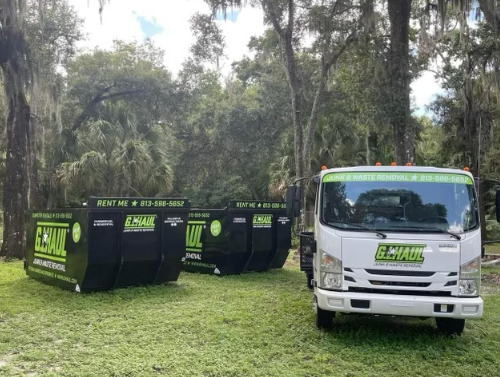
This post was written by a professional at G.I. Haul. G.I. Haul is a small group of post 9/11 Veterans that have stuck together through thick and thin. They have taken up the cause to step up and provide efficient junk & waste removal services, as well as dumpster rentals at a fair price, and on a client by client basis. G.I. Hauls hassle free services allow you to go about your life, well we do the heavy lifting for you. You will also have the satisfaction of knowing that any items that can be recycled will be. These recycled items will go to helping out Veterans in need all across the country. Click Here for more!

Roofing Warranty Explained

When you get a new roof, it’s really important to understand the warranty that comes with it. A roof warranty is like a promise from the company that made the roof or the people who installed it. It tells you what parts of the roof are covered, for how long, and in what situations.

Residential Roof Warranty

For houses, there are two types of warranties: one from the company that made the roofing materials and one from the contractor who put the roof on your house. When you think about the warranty from the material company, you need to know that a roof has many parts like underlayment, fasteners, and tiles or shingles. 

The warranty from the tile or shingle makers only covers their own products, not all the parts of the roof. This means if something goes wrong, they might send you new tiles or shingles, but they won’t fix the whole roof.

These warranties often say the tiles or shingles can last 20, 30, or even 50 years. But this doesn’t mean your roof will definitely last that long. The warranty just means the materials were tested in a lab to withstand water, wind, and sunlight for that long. If your tiles or shingles get damaged before that time, the warranty might cover it.

The second warranty comes from the roofing company or contractor. According to Florida law, they are responsible for any problems with the roof for ten years. So, your warranty for a residential roof is usually 10 years. But remember, this warranty is only for the person who owns the house first. If you sell the house, the warranty doesn’t transfer to the new owner.

Commercial Roof Warranty

In the past, there weren’t many long-term warranties for commercial roofs. People just expected these roofs to last around 20 to 30 years with regular maintenance. But in the 1980s, manufacturers started offering warranties to make their products more appealing. These warranties got more complicated over time, with rules and conditions. 

In the late 1990s and early 2000s, manufacturers started setting minimum requirements for roofs to qualify for a warranty. This meant that roofs had to meet certain standards to be covered. Nowadays, the best warranty you can get is called NDL (no dollar limit), and it’s offered by the material manufacturer. This type of warranty ensures you get good value for your money and peace of mind.

This post was written by a roofing specialist at All Star Roofing. We offer the best roof leak repair in Tampa FL. We are a family-owned and operated roofing business, striving to be the best in our industry. Our family has been in the Tampa Bay area for over 60 years, and our objective has always been to provide roofing services at a fast, reliable, and competitive rate. All Star has a tradition of quality workmanship, servicing residential and commercial properties. 

Tree Services in St Petersburg Fl

Tree services in St. Petersburg, FL, are essential in maintaining the lush and vibrant landscapes the region is known for. These services are delivered by professionals who have the expertise to handle various tree-related tasks meticulously and safely. Below, we look at the comprehensive range of tree services available in St. Petersburg, FL.

Full-Service Tree Care

Tree Removal

Removing diseased, dead, or dangerous trees to ensure safety and maintain the health of other plants.

Tree Pruning

Trimming and pruning services to facilitate growth, enhance aesthetics, and prevent potential hazards.

Emergency Tree Services

Rapid response teams are available to handle emergencies like storm damage, fallen trees, and other unforeseen incidents.

Specialty Services

Stump Grinding and Removal

Elimination of unsightly stumps to enhance landscape aesthetics and prevent accidents.

Arborist Services

Specialized arborists offer consultations, disease management, and tree care strategies based on scientific knowledge of tree physiology.

Maintenance and Planting

Tree Planting

Services offering the planting of new trees, considering the right species for the local climate and soil conditions.

Landscape Maintenance

Routine maintenance services to ensure the health and beauty of the landscape.

Environmental Sustainability

Eco-Friendly Disposal

Promotion of recycling and repurposing of tree waste into mulch, firewood, and other usable products.

Conservation Partnerships

Some tree services collaborate with local conservation initiatives to promote tree planting and biodiversity.

Selecting a Tree Service Company

Certified and Insured

Always choose a company with certified professionals and comprehensive insurance to safeguard against liabilities.

Reputation

Consider the reputation of the company, looking at customer reviews and ratings to gauge their reliability and quality of service.

Free Estimates

Opt for companies offering free estimates to get a clear idea of the cost involved in your specific tree service needs.

In St. Petersburg, FL, tree services play a pivotal role in safeguarding and enhancing the natural beauty the area is renowned for. From essential services such as tree removal and pruning to specialized arborist services, these companies offer a range of solutions to cater to both residential and commercial needs. Environmental sustainability is a core focus, with eco-friendly disposal and conservation partnerships being a notable highlight. When selecting a tree service company in St. Petersburg, FL, it is crucial to consider factors like certification, insurance, and reputation to ensure the best outcomes for your tree care needs. It’s through the diligent work of these service providers that St. Petersburg continues to flourish as a green and vibrant community.

This post was written by a professional arborist at   Arbor Wise Professional Tree Care. Robert Miller is the owner of Arbor Wise Professional Tree Care, a locally owned and operated tree service company that offers superb lawn care by the most experienced Arborists. Arborwise Tree Services is a tree removal company that offers stump removal, tree pruning, stump grinding, fertilization, and tree restoration. We have an extraordinary lawn care industry notoriety covering the Pinellas county area. Click here for more information!

How to get rid of squirrels from your attic? 

They might be cute-looking and hard-working, but squirrels can cause a huge damage to your house. If you have identified a squirrel infestation in your attic, calling professional help like Bowie wildlife removal services will help you deal with it. However, in this blog, we have listed some tips and tricks that will help you keep the squirrels out of your attic. 

Locate the entryways 

Finding out their entryways and restricting these areas is the first step in not allowing squirrels to enter your house. Squirrels have sharp teeth, so they can easily eat fences, wires, gables, vents, soffits, etc. Ensure you close all these entryways so that she can not get inside your house.

Set traps to catch them

You can buy pest guards available in the market and set them where you are doubting to be their entryways. These guards will not kill them; these will trap them so that you can release them in someplace safe.

Keep your attic clean

Squirrels like to reside in places that are congested, dirty, and moist. Keep your attic clean so that they do not get attracted. For better results, call wildlife removal services so that they can take them away. 

Tree pruning

Squirrels are great climbers. However, the best way to get entry to your house in the attic is by jumping from one tree to the roof of your house. If you have outgrown tree branches that are touching your house and the roof, call for tree pruning services and get the branches away from your house. These branches will not only act as a bridge for the squirrels but also for many kinds of pests.

Seal in garbage cans 

Squirrels, if they run out of food, they come to human habitat in search of food. Garbage cans and any pet food, if left outside, can act as a magnet for the squirrels. Make sure to keep your garbage tightly sealed in garbage bags and place the garbage cans properly so that they do not fall. Also, keep any kind of food inside your house so that they do not serve the squirrels.

Conclusion

The best way to get rid of these wildlife animals is by taking proper measures. You, being a layman, might not have enough knowledge about setting traps and taking preventive measures to keep the pests away. Call a wildlife removal service to ensure that these wildlife animals do not enter your house, and if they have entered, the services will securely remove them from your house.

What is Land Grading

Maximizing the potential of your property goes beyond aesthetics and location; it fundamentally begins with the land itself. One critical aspect often overlooked is the land’s drainage and water flow—elements that can make or break the long-term sustainability of a home or business. A multitude of properties suffer from inadequate drainage simply because the importance of professional land grading was not recognized during the planning stage.

What is Land Grading?

Land grading is the methodical process of sculpting and leveling the terrain to prepare it for construction. While its applications are diverse, its primary aim is to ensure proper drainage. Poorly graded land often leads to chronic drainage issues, leaving you with pools of water on your property every time it rains. Employing an expert in excavation and land grading ensures that water naturally flows away from critical areas, safeguarding your investment.

Why it Matters for Home Improvements

Land grading isn’t just a consideration for new construction; it’s an essential aspect of any home improvement project you undertake. Planning to install a new patio? Grading the land beforehand can save you from a host of problems down the line. A patio that constantly endures waterlogging becomes not just impractical, but also a wasted investment.

Safeguarding Your Foundation

Often hailed as the backbone of any structure, the foundation bears the weight of your entire property. What many property owners fail to realize is that water accumulation around the foundation can be insidiously damaging. Water can lead to cracks and other forms of wear and tear that, over time, can escalate into serious structural issues.

To avoid such dire consequences, it’s crucial to enlist a qualified excavation contractor before you embark on any construction or renovation project. This specialist can meticulously grade the land to divert water away from your foundation, providing an added layer of protection against future complications.

By prioritizing proper land grading from the outset, you not only enhance the usability and value of your property but also mitigate risks that could otherwise compromise its structural integrity. It’s an upfront investment that pays dividends in the form of long-term stability and peace of mind.

This post was written by Tanner Brown. Tanner is the Owner and operator of Greenbar Excavation. Greenbar Excavation is a fully licensed, insured, and accredited Excavation company based in Prineville, Oregon. Greenbar Excavation is one of the top Excavation companies in Central Oregon. Don’t look further, go with the company with your best interest in mind! Click Here for more information.

Design a site like this with WordPress.com
Get started